In late May we took what was likely our last guided birding trip ever, in the form of a three-day outing around the Valencia and Alicante regions of Spain. Why “last”? Well, my life list now stands at 5,044 species, and while I welcome the idea of adding more to it, it is hardly a priority anymore. Bumping up that number significantly would require the kind of travel that we are becoming less interested in, namely, long hauls to third-world countries. We have done our share of that and the exhaustion it precipitates as we age is getting to be a bit much. Moreover, my main goal in “competitive” birding was to show that a legally blind person could get far more species than most birders—especially those with normal vision—given enough effort. I think that is a mission accomplished: if I go by eBird, I’m currently above the 99.97% percentile of all birders who use the platform.
I only took one bird photo during the trip, and that was this lovely Marbled Duck, a near-threatened species of teal. It was easy to find in the few wetland areas of the otherwise bone-dry Alicante region.

My larger birding goal in Spain was actually oriented towards crossing a different threshold: getting my 1,000th species recorded on audio. I was at 992 before leaving home, but can happily report that my list on xeno-canto.org stands at 1,008. I’m kicking myself for not recording more birds when we lived in Thailand and traveled through the Eastern Hemisphere during all of 2018; my number might likely then be in the 2,000 range. Ah well, I don’t think we will be going back just to record birdsongs there.
I didn’t intend to attempt any serious photography, as I didn’t bring my bulky Nikon P1000 along, but I did manage to get a photo of my first European dragonfly with a positive ID, a male Black-tailed Skimmer. This was taken using using my crap Lumix travel camera. There looked to be other odes zooming around this wetland near Alicante, but with the focus being purely on birds (and our guide being an avian expert) there was no opportunity to chase them.

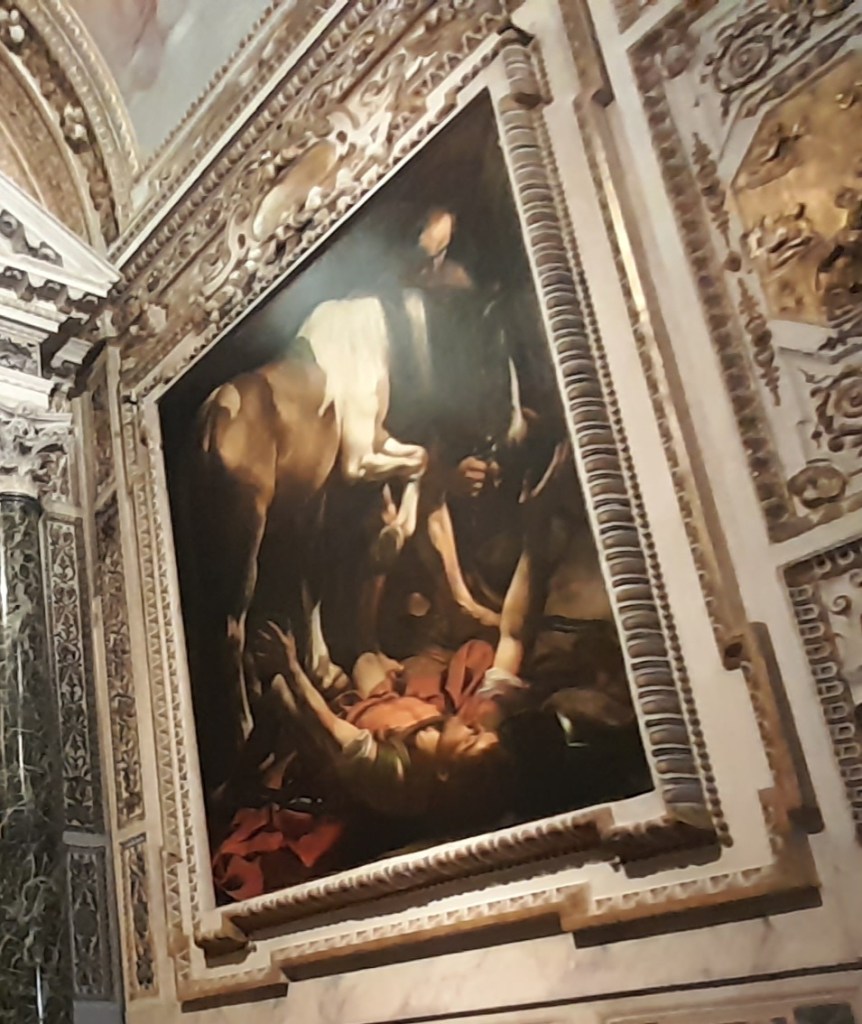
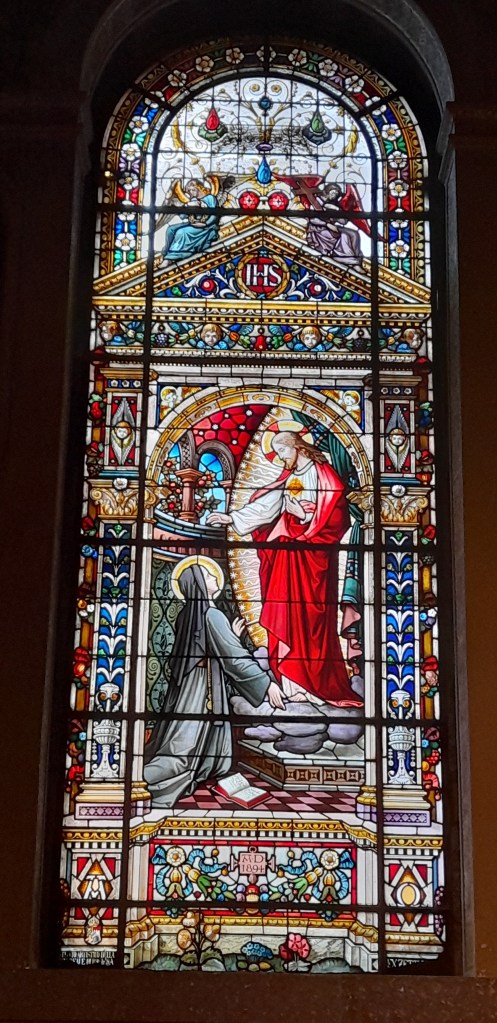
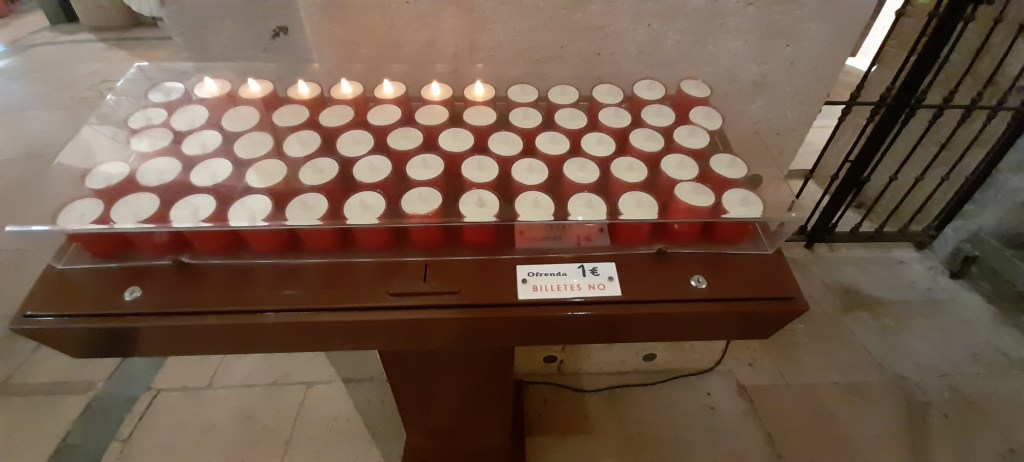
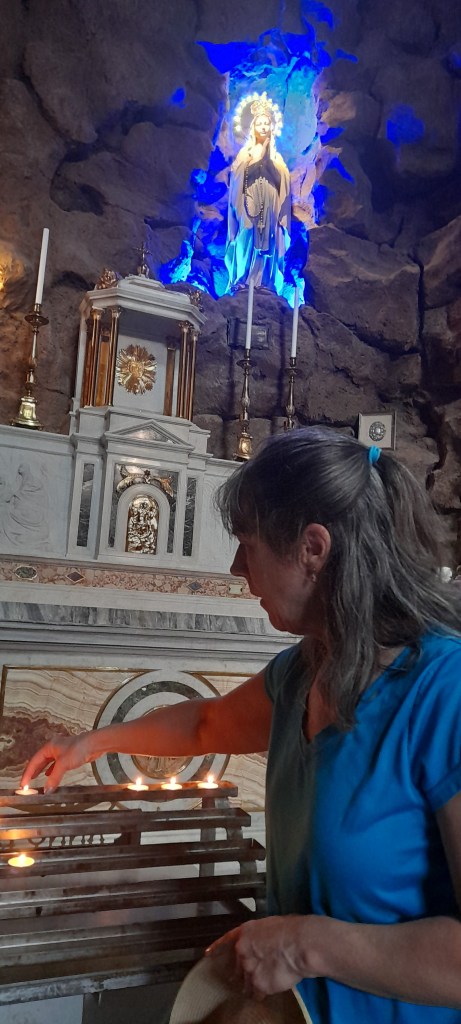
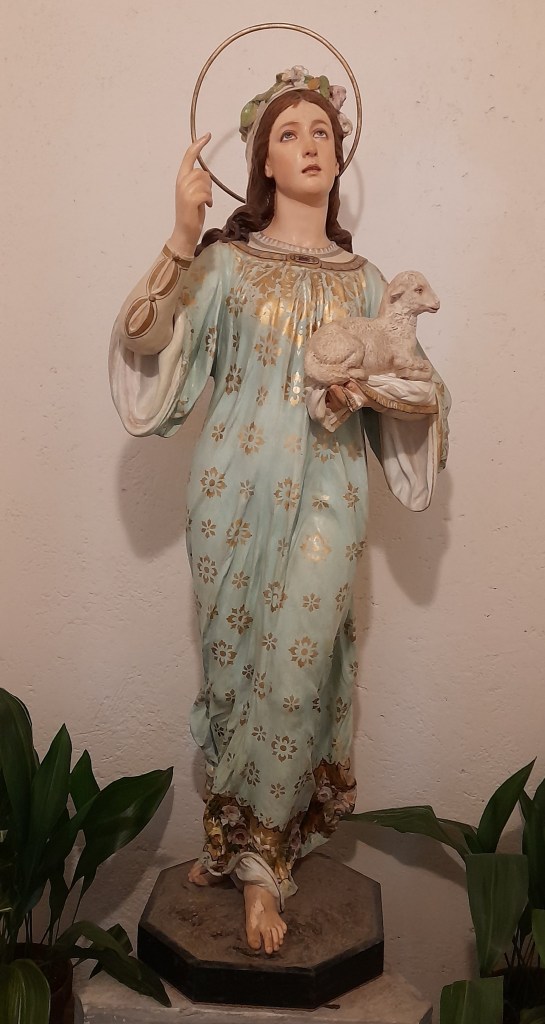
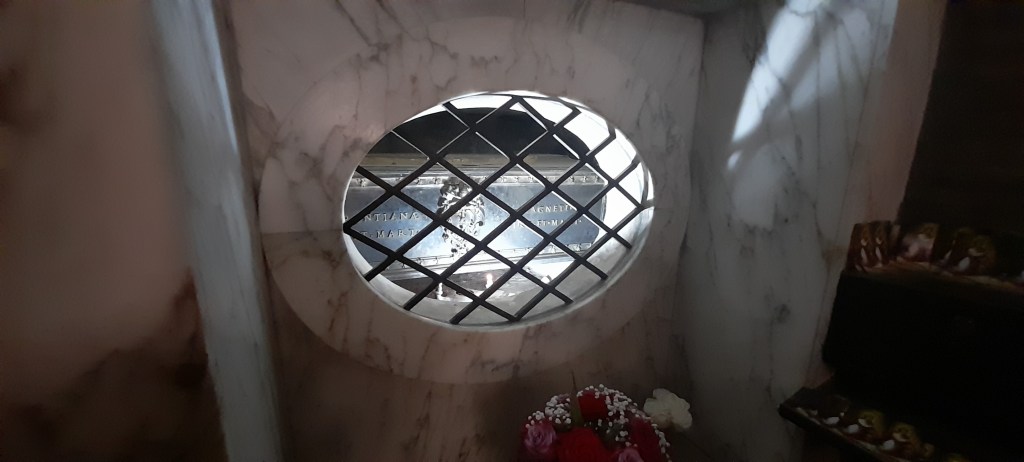
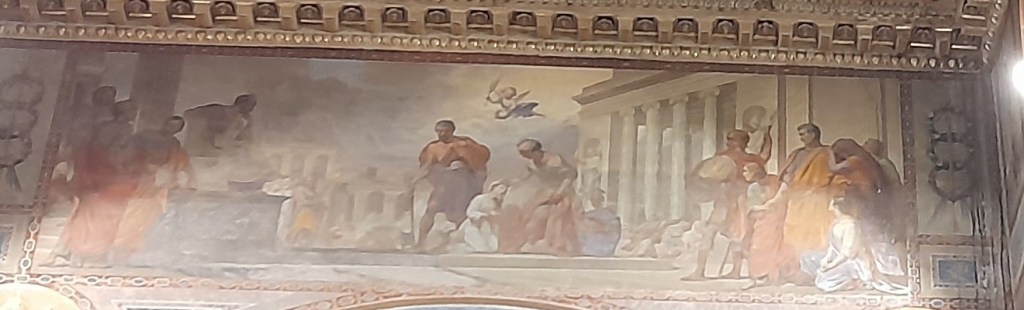
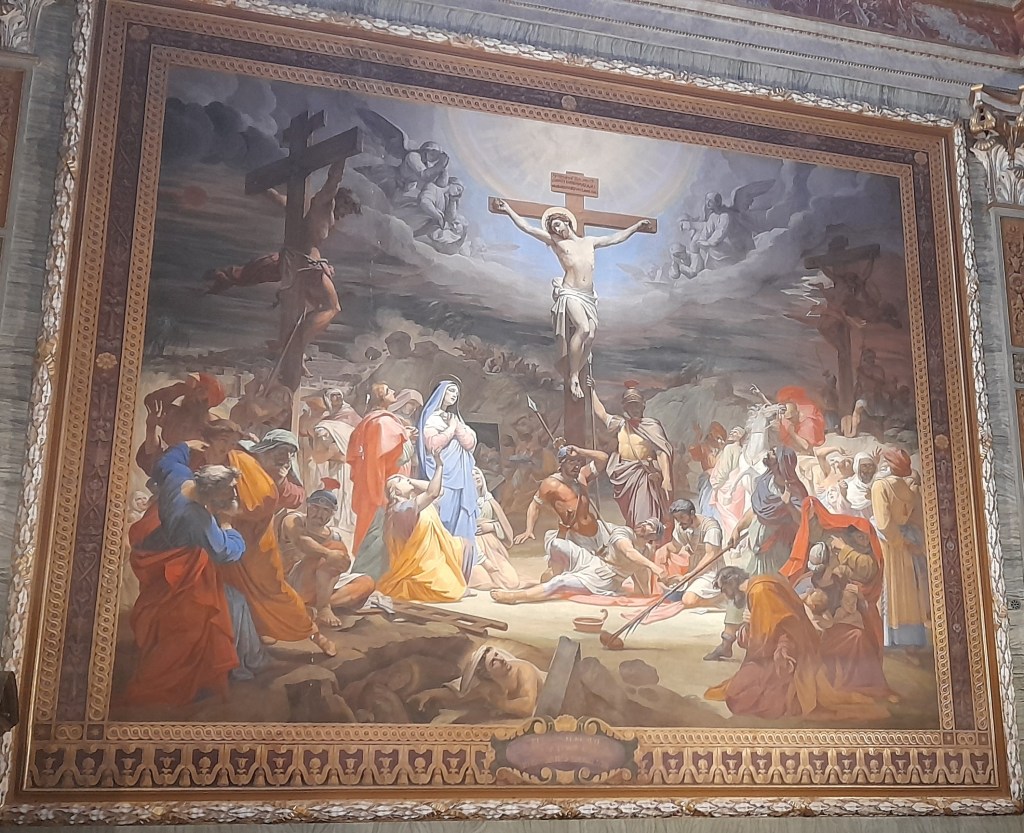
Spain had long been touted to us as the prime birding destination in Europe, so it was always on our short list of destinations. We picked up specialties such as Great Bustard, Imperial Spanish Eagle, Bonelli’s Eagle, Spotless Starling, and White-faced Duck. But the other reason for this trip was for my wife and I to appreciate a different kind of beauty: the glorious art and architecture endemic to our Catholic faith. So in addition to birding we visited over two dozen cathedrals, basilicas, churches, and other sacred places, first in Spain, and then in Rome. What follow are random images in no particular order. If you are here only for the nature, the rest of this post won’t mean much to you.
Very few of my photographs come from famous sites. During on first morning in Rome, we went to the Vatican, and I was taken aback (I don’t know why) by the behavior of most people in St. Peter’s Basilica. The majority of them were walking around with their phones held high, effectively viewing this incredible place through their phone screens, all to take photos and videos that they’ll likely rarely look at again, I’m guessing. Or to post them on social media for people to flip through and pay 20 milliseconds of attention to. I resolved to take no photos in the Vatican after seeing that. Everything there has already been photographed a million times. Why do I need to do it too? I can find images of anything in there by looking online.
So hence, no Vatican pictures. I was too busy looking at it. We were also prompted, after this, to spend more time in the non-touristy churches and cathedrals that dot the city (and which are found all over Spain, too). In such locales I did take a few photos. The amazing part is that there is just as much ornate beauty here as in the Vatican, but very few people bother visiting these sites.






Your blog is a shining example of excellence in content creation. I’m continually impressed by the depth of your knowledge and the clarity of your writing. Thank you for all that you do.
Thank you.